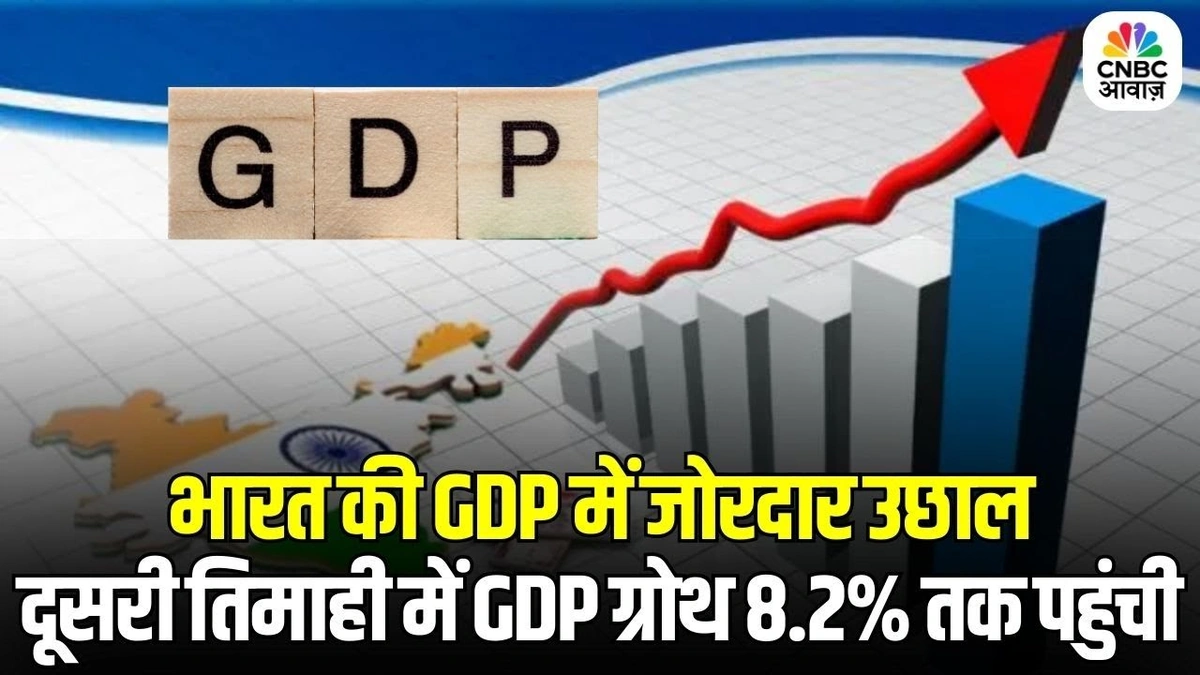
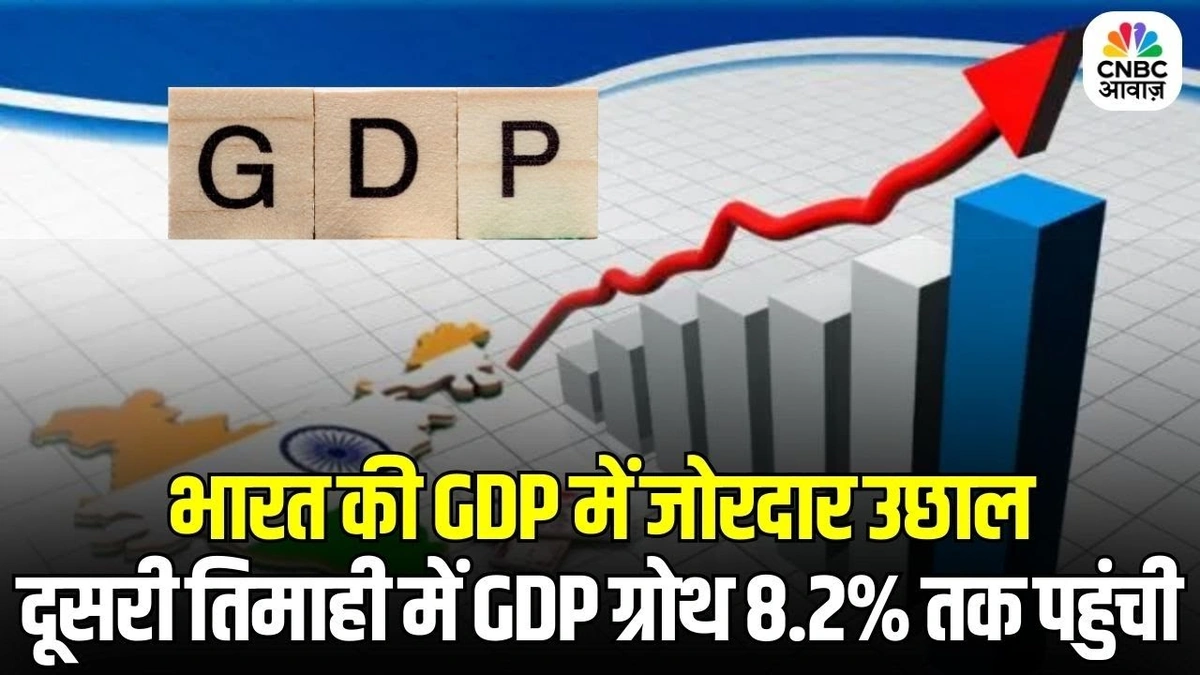
Alright, let’s talk GDP growth . Not just the numbers, but what it really means for you and me. A recent Mint survey is buzzing about India’s Q2 GDP, projecting a 7.2% jump. Sounds impressive, right? But here’s the thing: numbers are just numbers until we understand their implications. What I want to explore is why this growth matters, who benefits, and what the potential pitfalls are. Let’s unpack this like we’re deciphering a cryptic message, because, frankly, economic indicators often are.
Why This 7.2% GDP Growth Projection Isn’t Just Another Headline
So, 7.2% growth – big deal? Actually, yes. The projected economic expansion isn’t just a statistic; it’s a potential signal of a resilient economy. But let’s add some nuance. First off, this is a projection. Real-world results can vary. However, a healthy GDP growth generally translates to more jobs, increased incomes, and overall improved living standards. Think of it as the economy getting a shot of energy. If this projection holds, we might see increased investment, both domestic and foreign. It could also mean more government spending on infrastructure and social programs. UPI Expansion is a very good example. But, and this is a big but, growth needs to be inclusive.
What fascinates me is how different sectors contribute to this growth. Is it driven by manufacturing, services, or agriculture? The composition matters because it tells us about the sustainability and distribution of the benefits. For instance, if growth is heavily reliant on a single sector, like IT, it might leave other sectors lagging behind.
The Ripple Effect | How GDP Growth Impacts Your Wallet
Let’s get personal. How does this positive GDP growth affect you directly? Well, if businesses are thriving, they’re more likely to hire. More jobs mean more people with disposable income. This leads to increased consumer spending, which further fuels economic growth – a virtuous cycle, ideally. But, a rising tide doesn’t always lift all boats equally. Inflation can creep in. As demand increases, prices can rise, eroding the purchasing power of your hard-earned money. It’s a delicate balancing act. The Reserve Bank of India (RBI) plays a crucial role here, using monetary policy tools to manage inflation and ensure sustainable growth. Keep an eye on those interest rates – they’re a key indicator of the RBI’s strategy.
Potential Roadblocks and What to Watch Out For
Now, let’s not get carried away with optimism. Several factors could derail this projected 7.2% growth. Global economic headwinds, such as a slowdown in major economies or geopolitical tensions, can impact India’s export performance. Domestically, factors like monsoon failures (which affect agriculture) or policy uncertainties can also play spoilsport. Here’s the thing I’ve learned: economic forecasting is as much art as it is science. It’s about probabilities, not certainties.
Also, remember the base effect. If the previous year’s growth was low due to, say, the pandemic, then a 7.2% growth this year might look impressive but is, in reality, just a recovery. We need to look at sustained growth over several quarters to get a clearer picture. For a broader perspective, you might find insights on sites like Wikipedia , which provides comprehensive background information.
Decoding the Numbers | What to Look For in the Fine Print
When the official GDP data is released, don’t just focus on the headline number. Dig deeper. Look at the sectoral growth rates, the investment trends, and the consumption patterns. These details will give you a much more nuanced understanding of what’s driving the growth and whether it’s sustainable. Are investments in infrastructure increasing? Is consumer demand broad-based, or is it concentrated in certain segments? These are the questions that will help you separate the wheat from the chaff. And speaking of details, the report also has projections about USD Dominance Rupee Plummets , which could be helpful.
What fascinates me? The informal sector’s contribution. Often overlooked in official data, it’s a huge part of the Indian economy. Understanding its performance is critical for a complete picture.
Beyond the GDP | Measuring True Progress
GDP growth is important, but it’s not the only measure of progress. We also need to consider factors like income inequality, environmental sustainability, and social well-being. Are the benefits of growth reaching the poorest sections of society? Is the growth coming at the expense of the environment? These are crucial questions that need to be addressed. A holistic approach to development requires us to look beyond GDP and focus on creating a more just and sustainable society. Remember, true progress is about improving the quality of life for all, not just increasing the size of the pie.
Ultimately, this projected India GDP growth of 7.2% is more than just a number; it’s a potential opportunity. An opportunity to create jobs, improve living standards, and build a more resilient economy. But it’s also a challenge – a challenge to ensure that growth is inclusive, sustainable, and benefits all sections of society. What happens next is up to us.
FAQ
What exactly is GDP and why should I care?
GDP, or Gross Domestic Product, is the total value of goods and services produced in a country. It’s a key indicator of economic health, reflecting the overall performance of the economy. If it’s growing, it generally means more jobs and better opportunities.
How accurate are GDP projections?
GDP projections are based on various economic models and assumptions. While they provide a useful outlook, they are not always accurate. Unexpected events, like global economic shocks or policy changes, can significantly impact actual GDP growth.
What are the main drivers of India’s GDP growth?
India’s GDP growth is typically driven by a combination of factors, including agriculture, manufacturing, and services. Consumer spending, investment, and exports also play a significant role.
How does inflation affect GDP growth?
High inflation can erode purchasing power and reduce consumer spending, which can negatively impact GDP growth. Central banks often use monetary policy tools to manage inflation and maintain price stability.
Where can I find the official GDP data for India?
The official GDP data for India is typically released by the National Statistical Office (NSO), Ministry of Statistics and Programme Implementation. You can find the data on their website.
What does this GDP mean for the Indian Stock Market?
The Indian stock market is heavily influenced by the Indian economy . Strong GDP growth forecasts can signal to investors that companies are more likely to see increased profits, leading to higher stock prices. It’s not a guarantee, but it’s generally seen as a positive sign for the market.